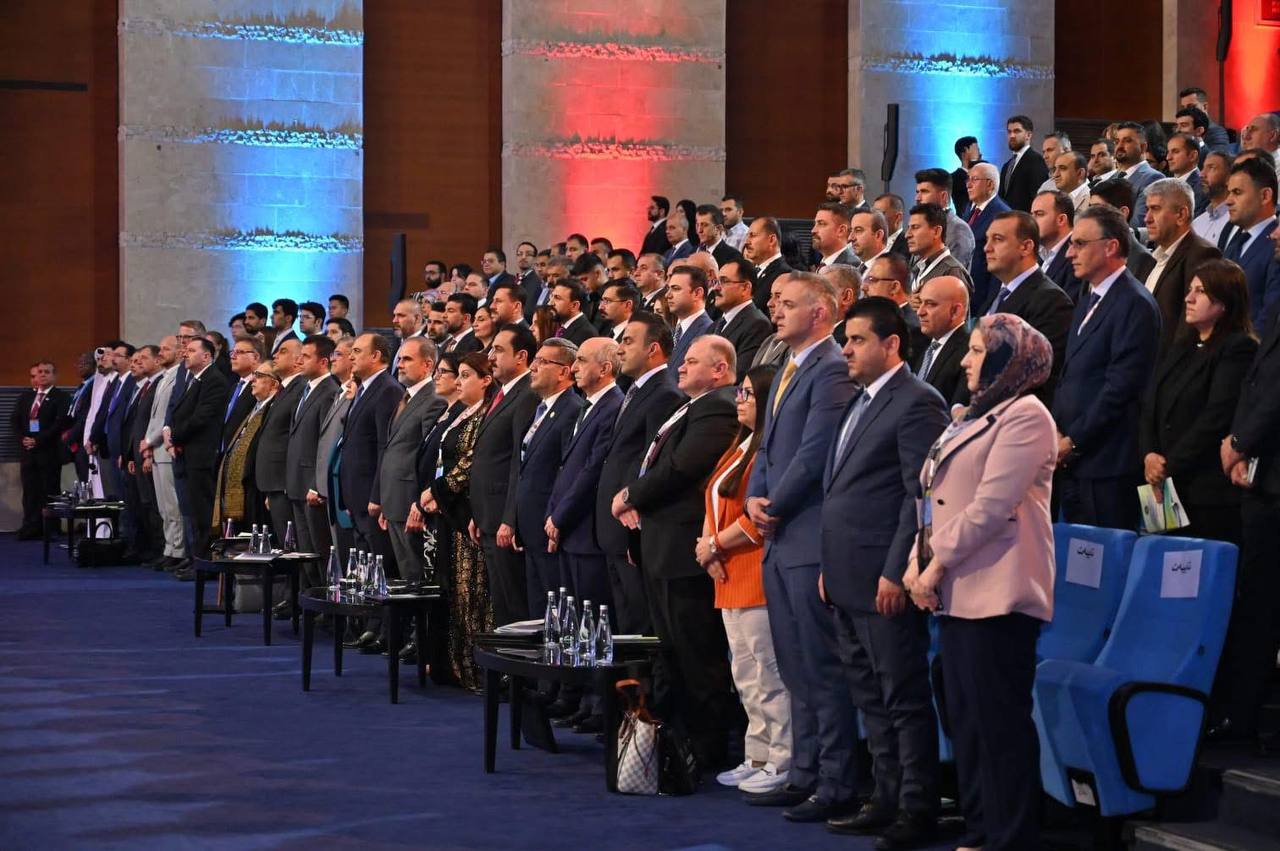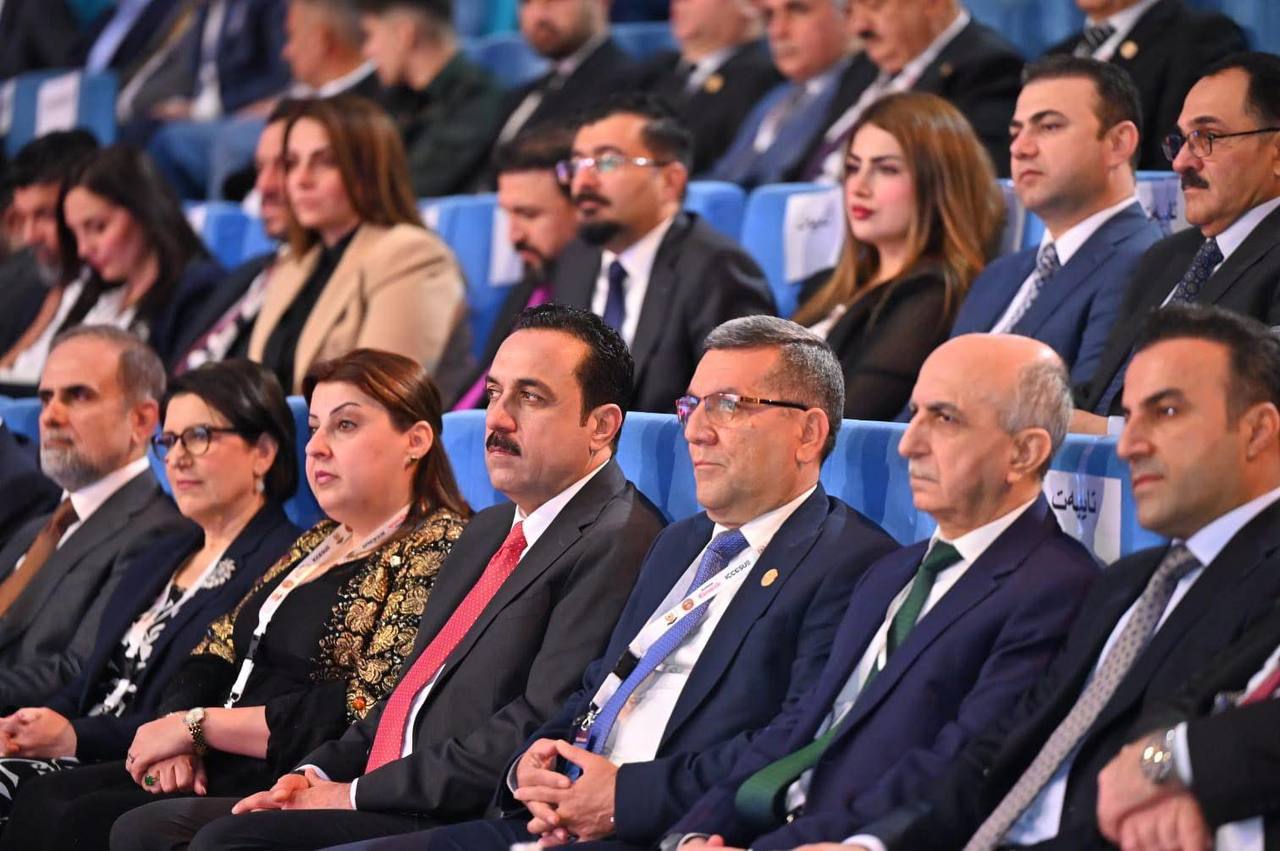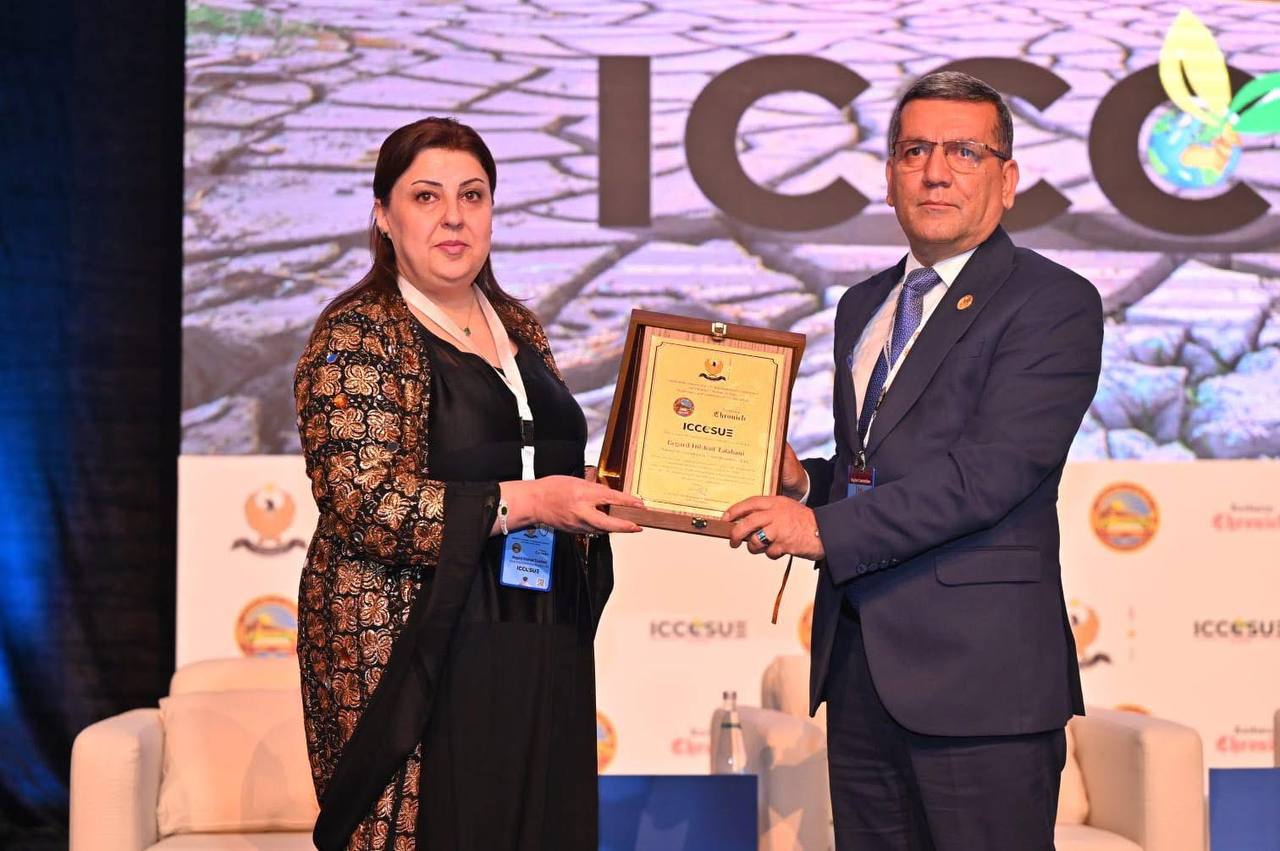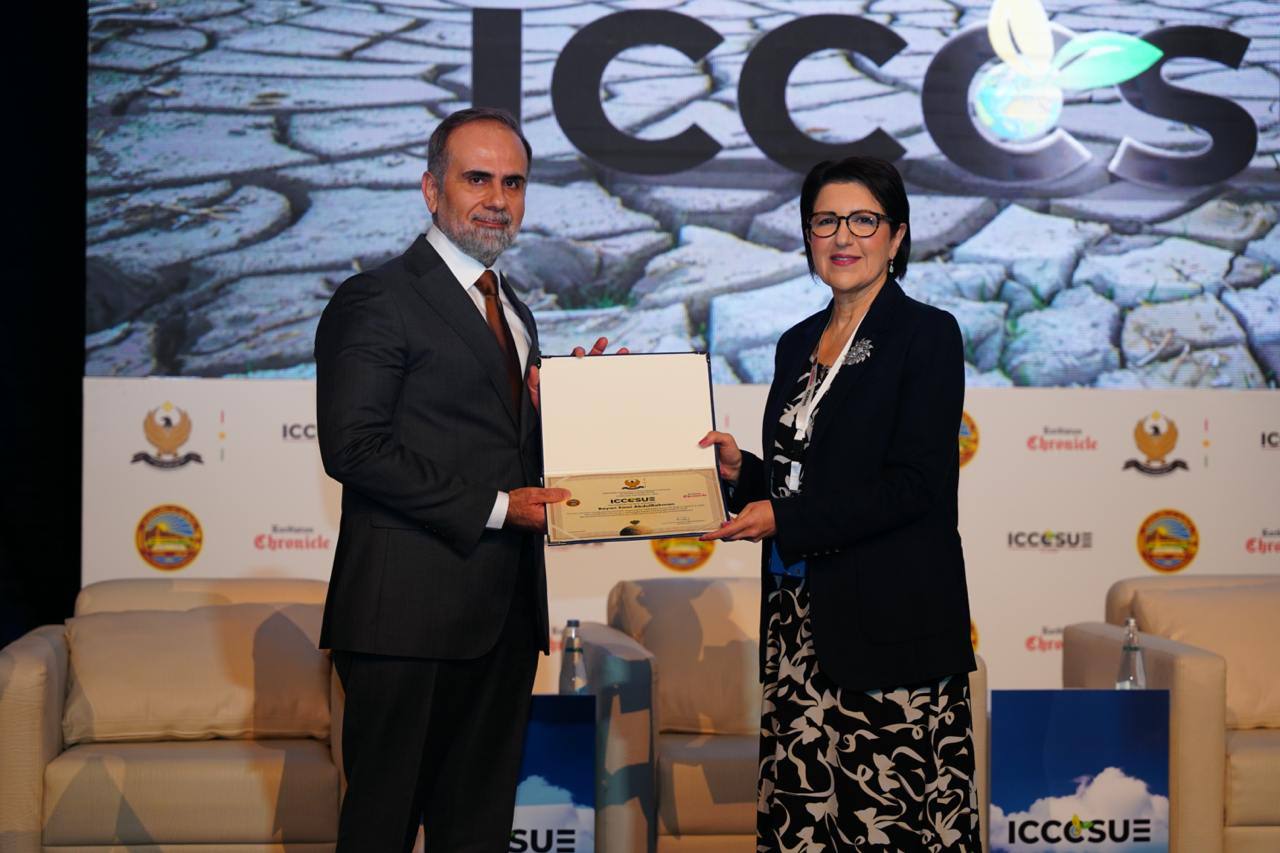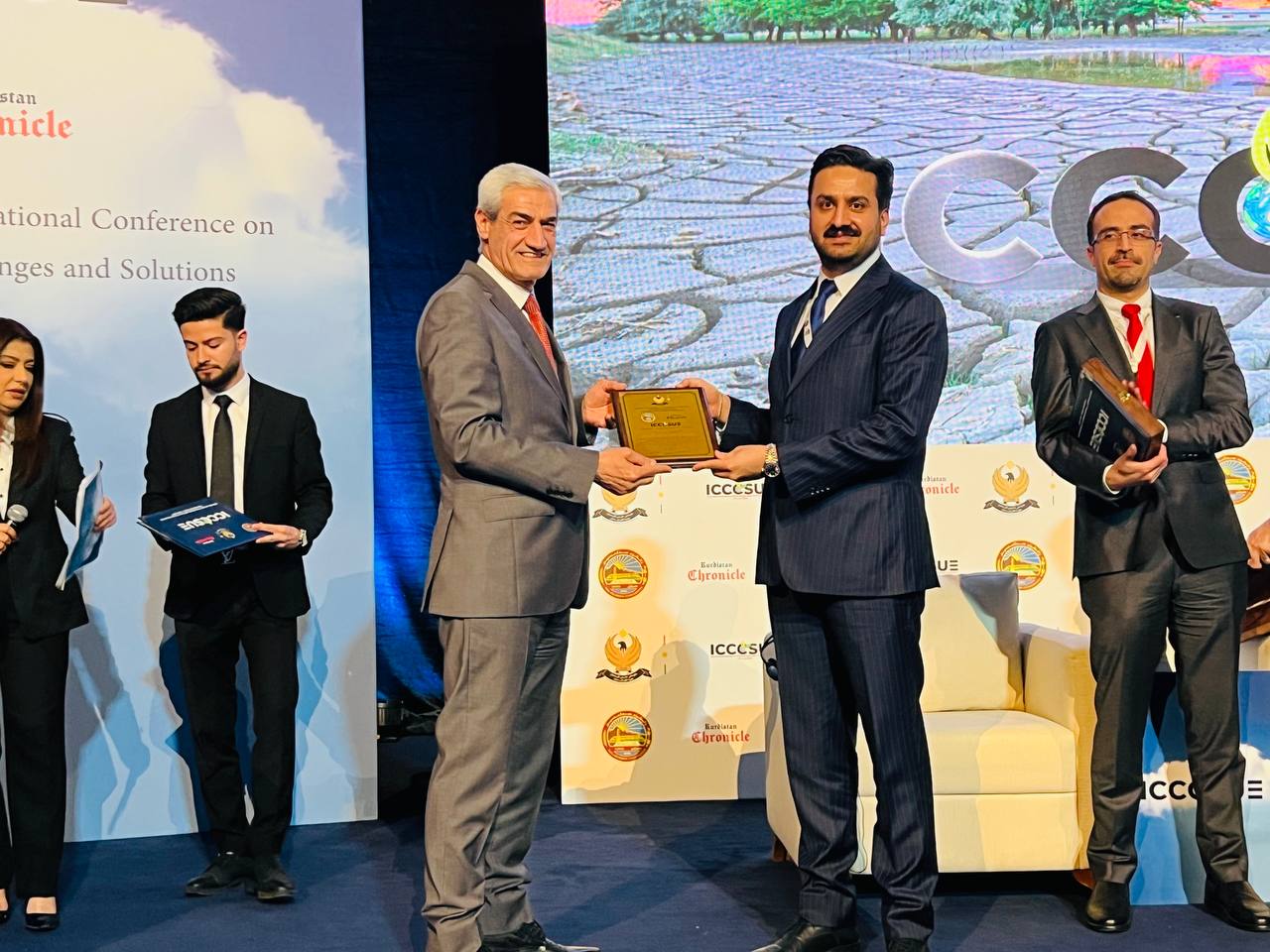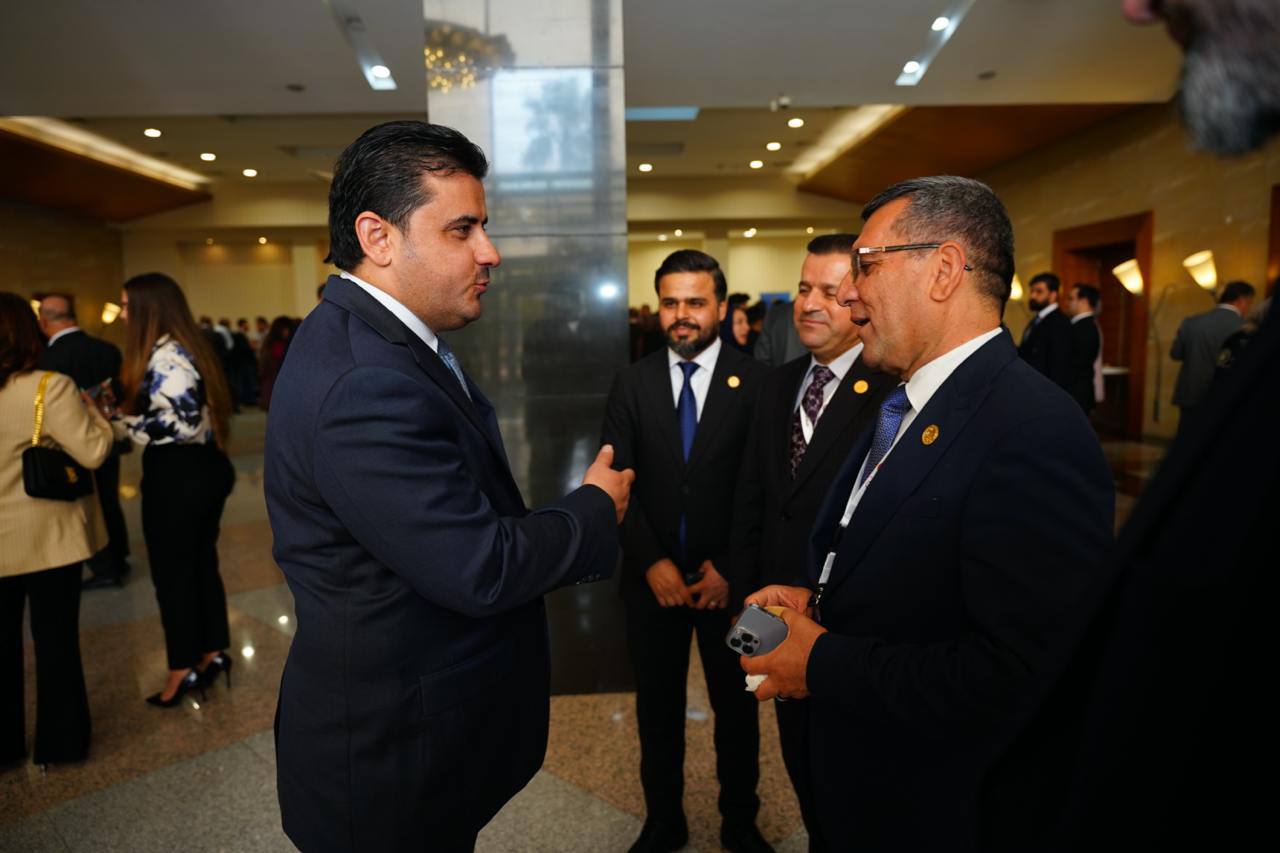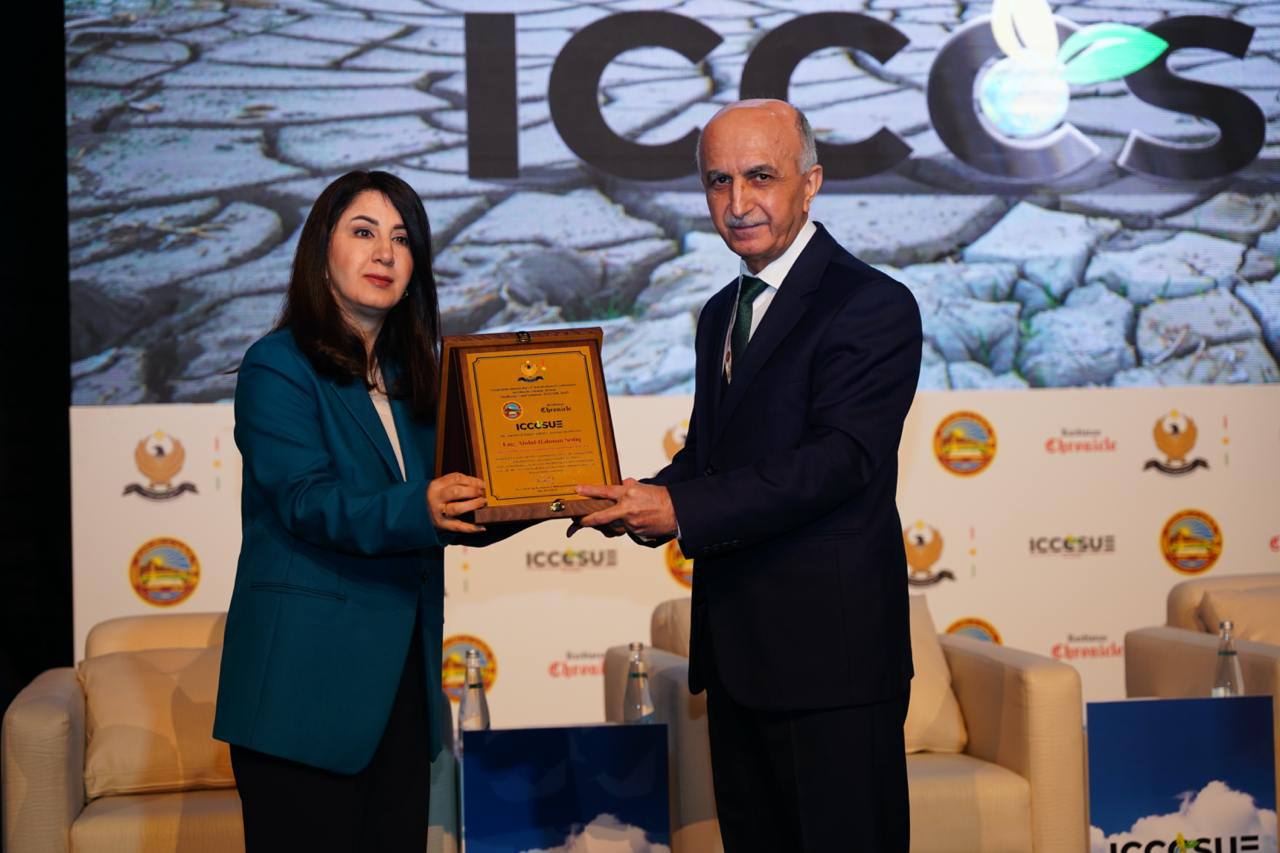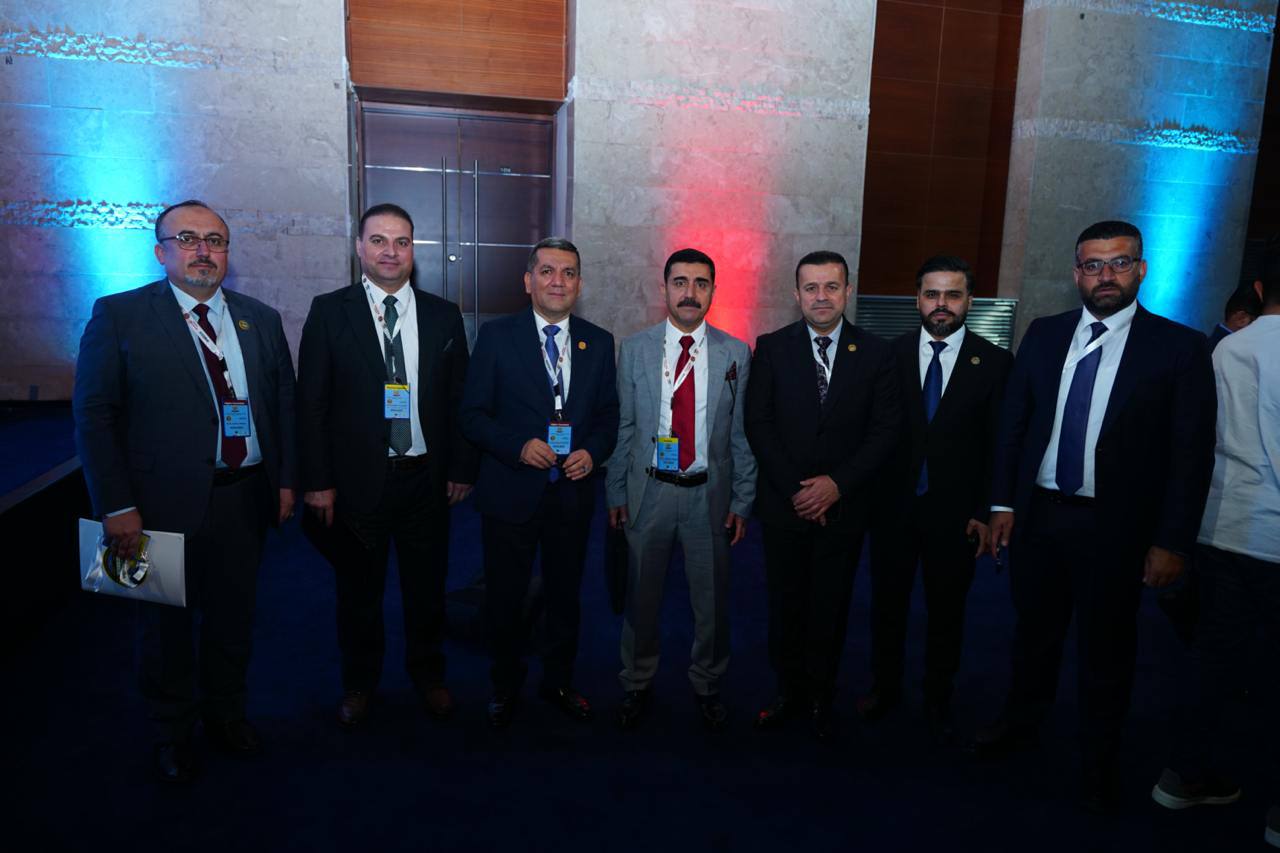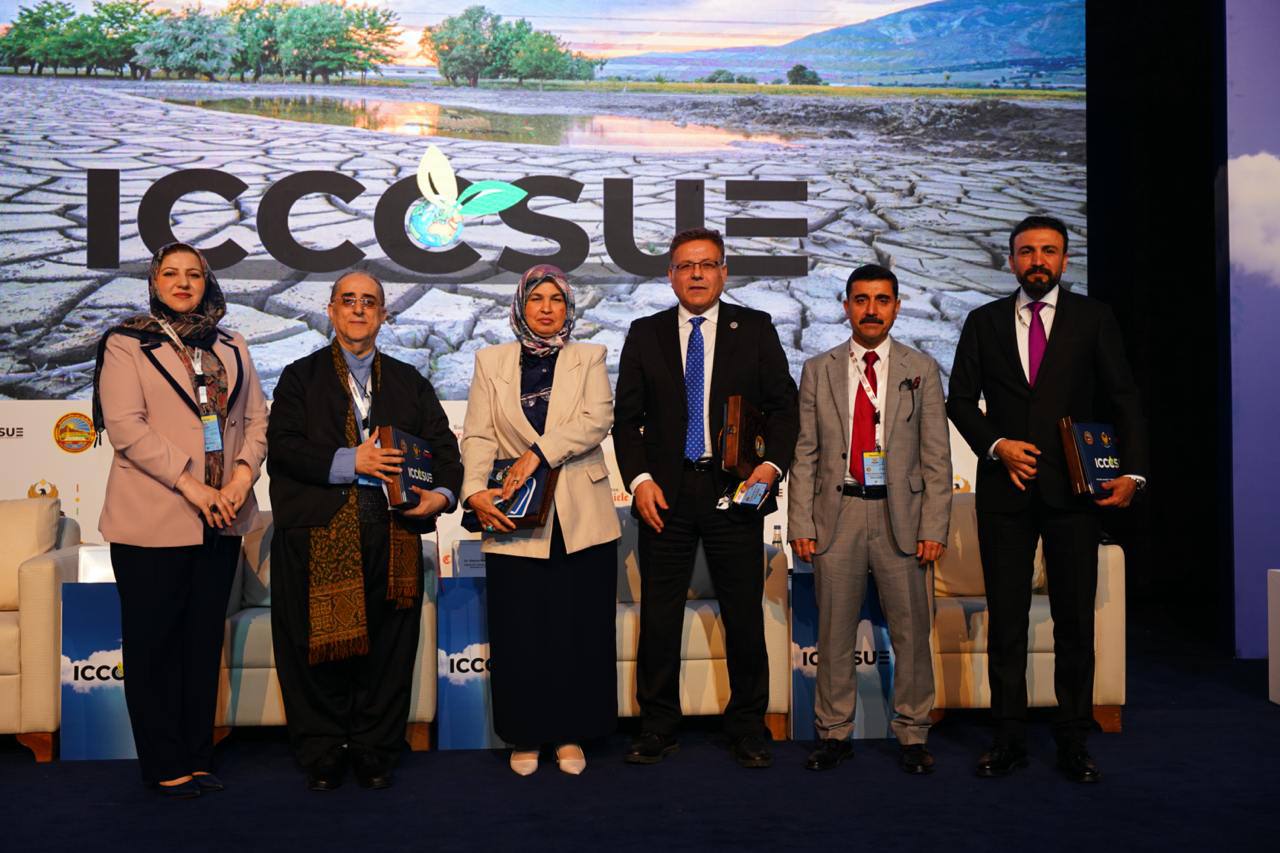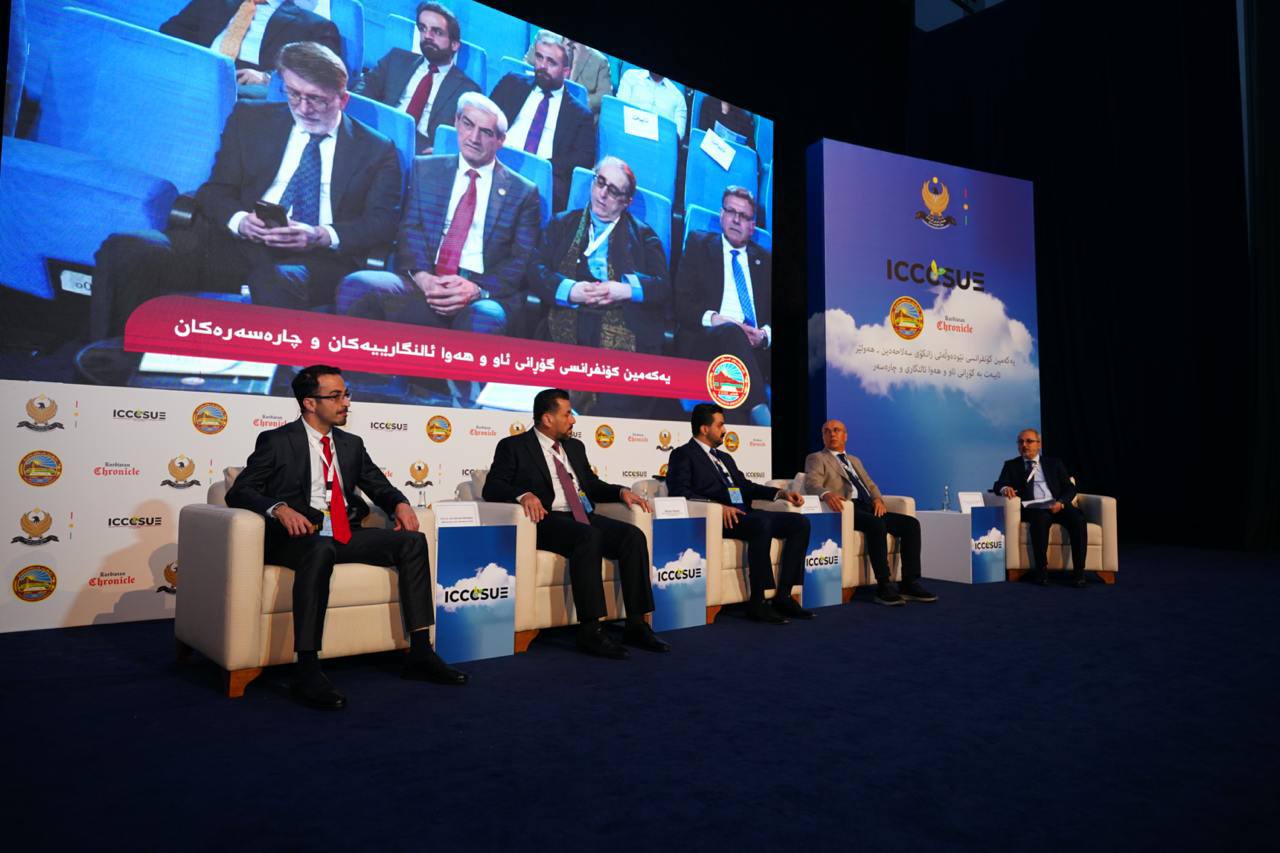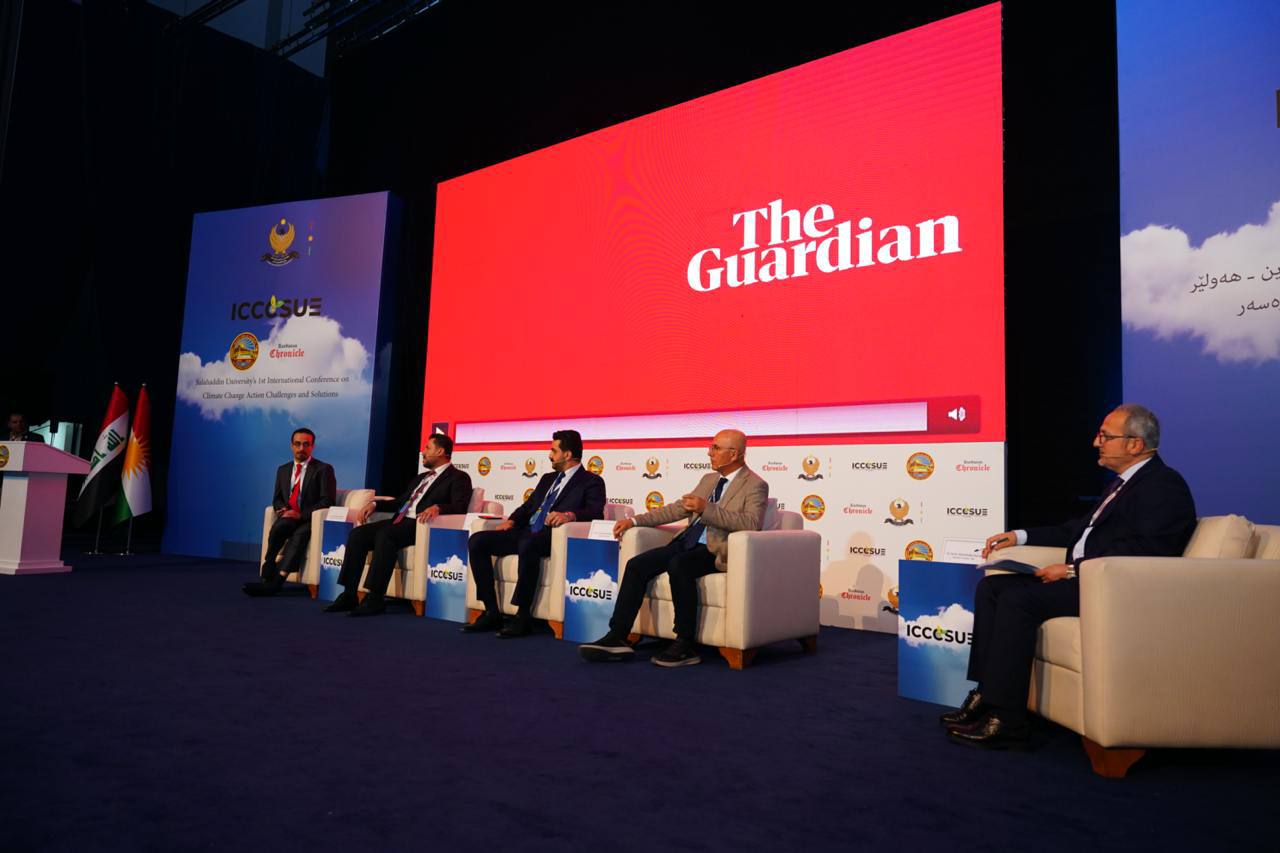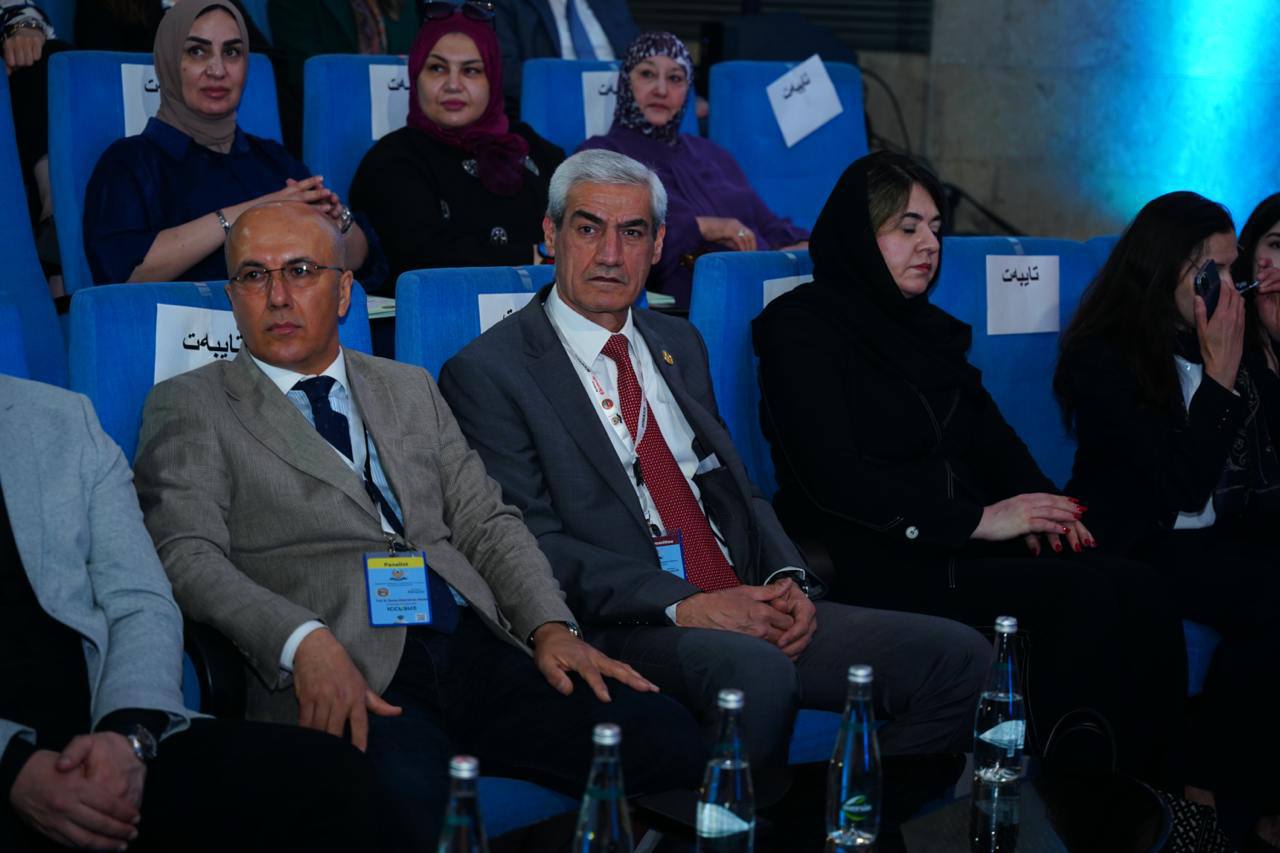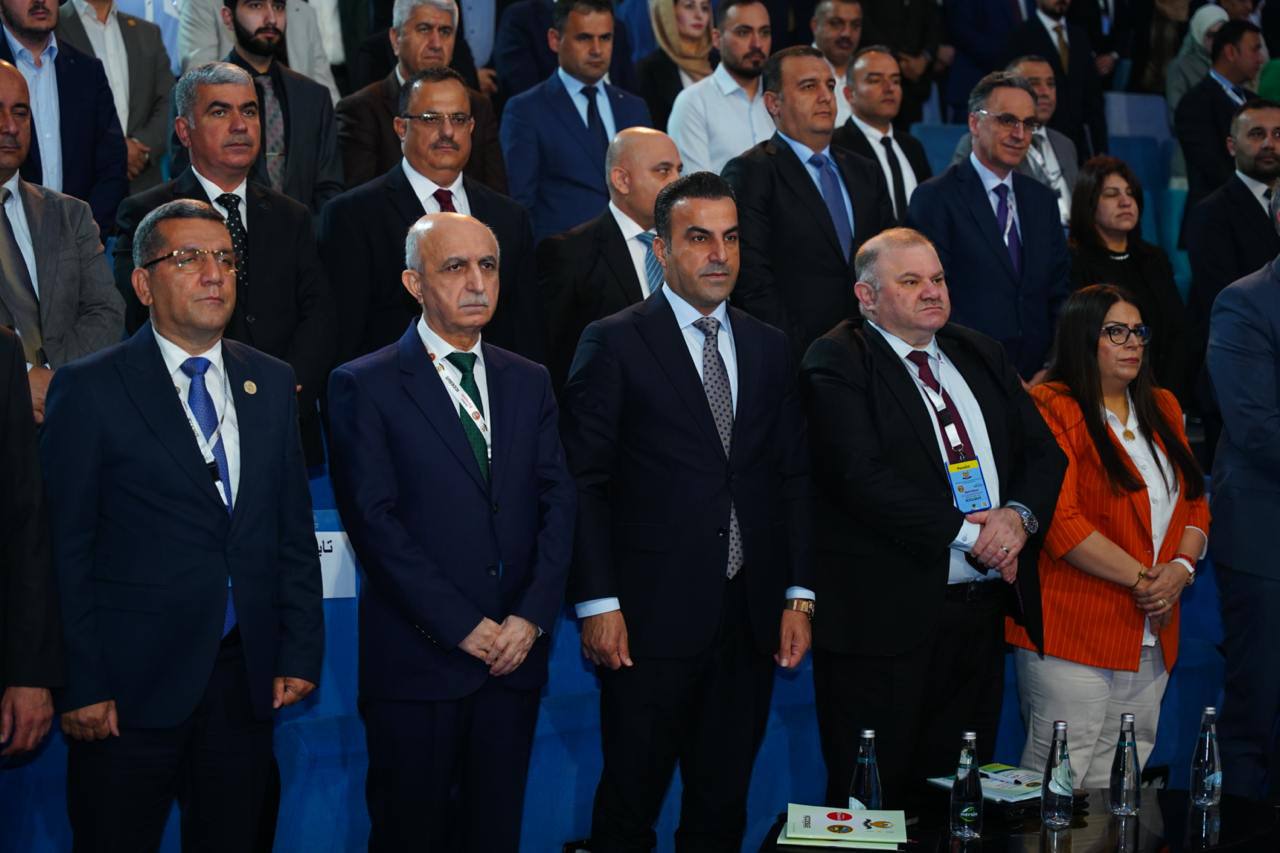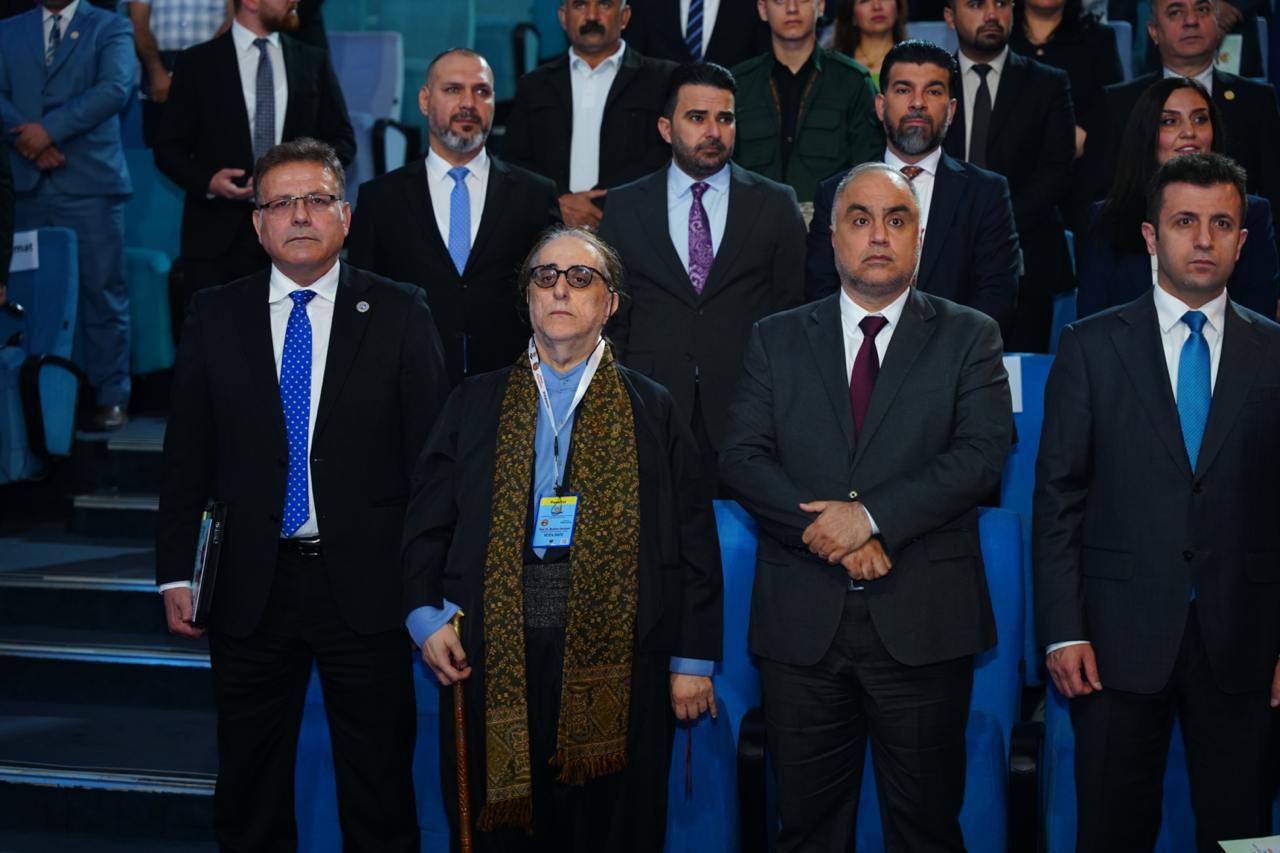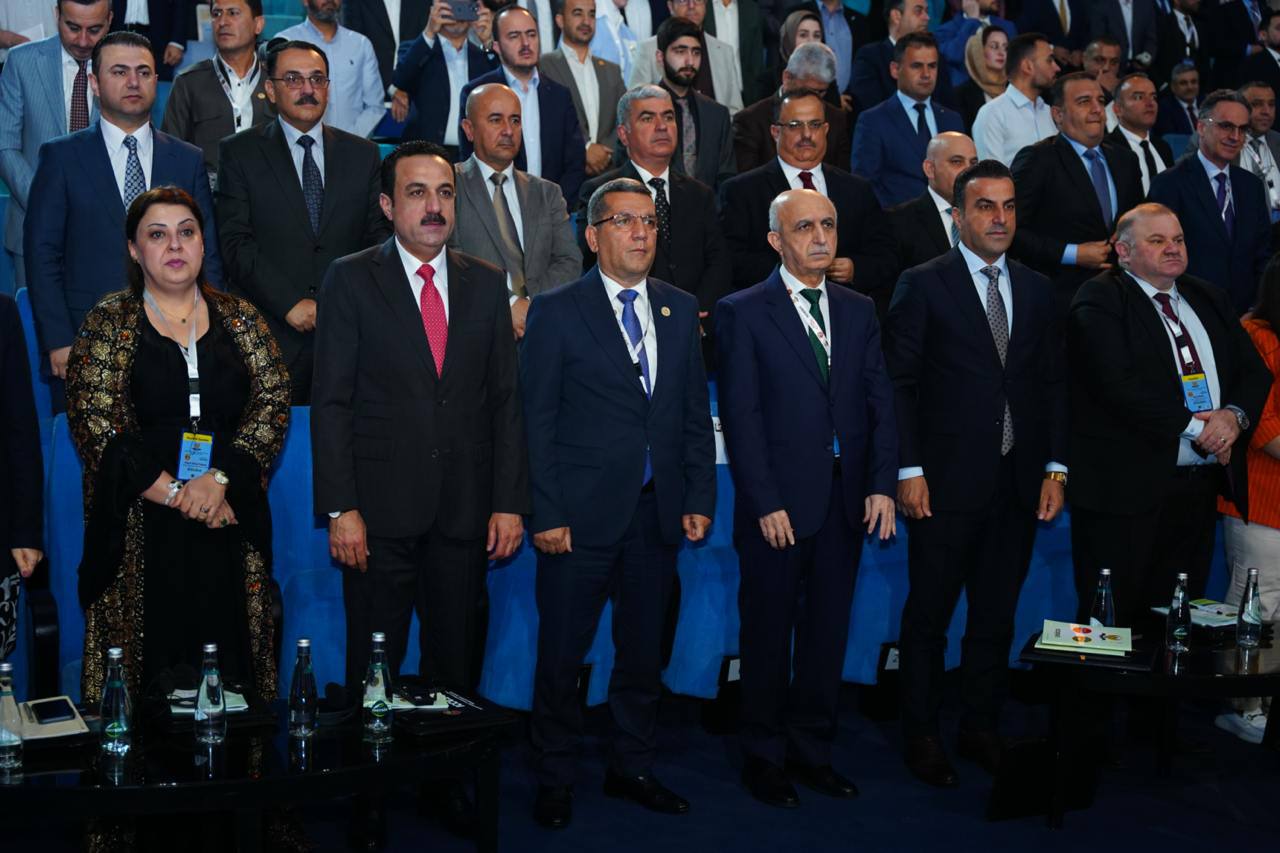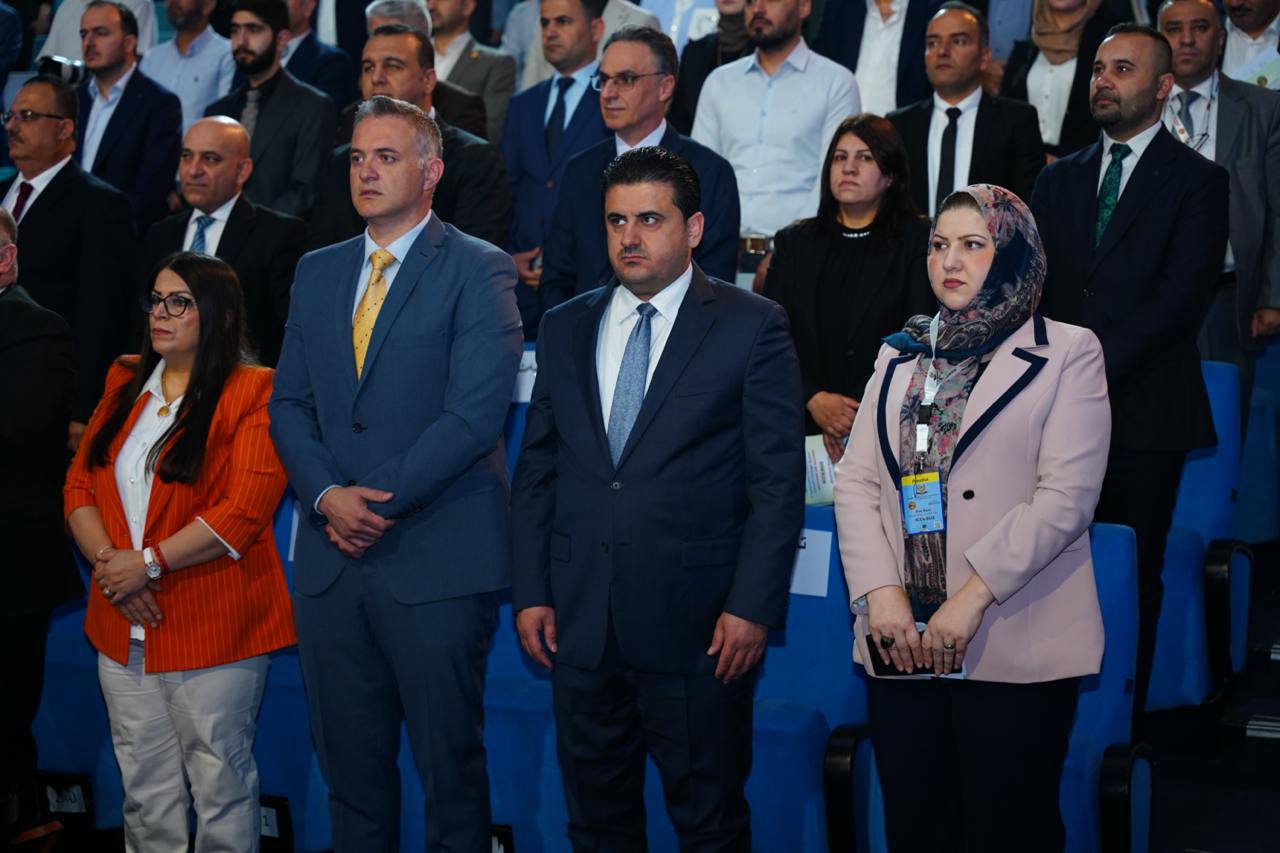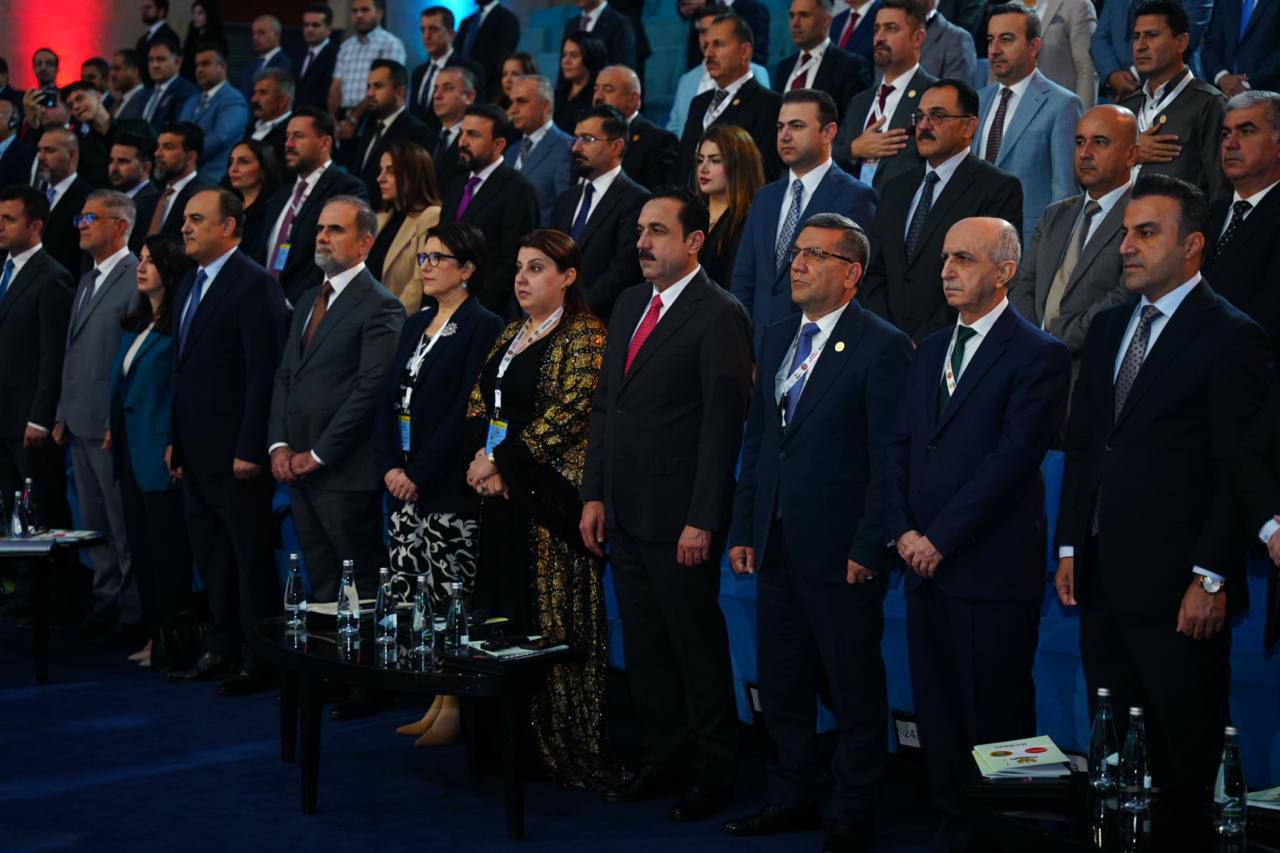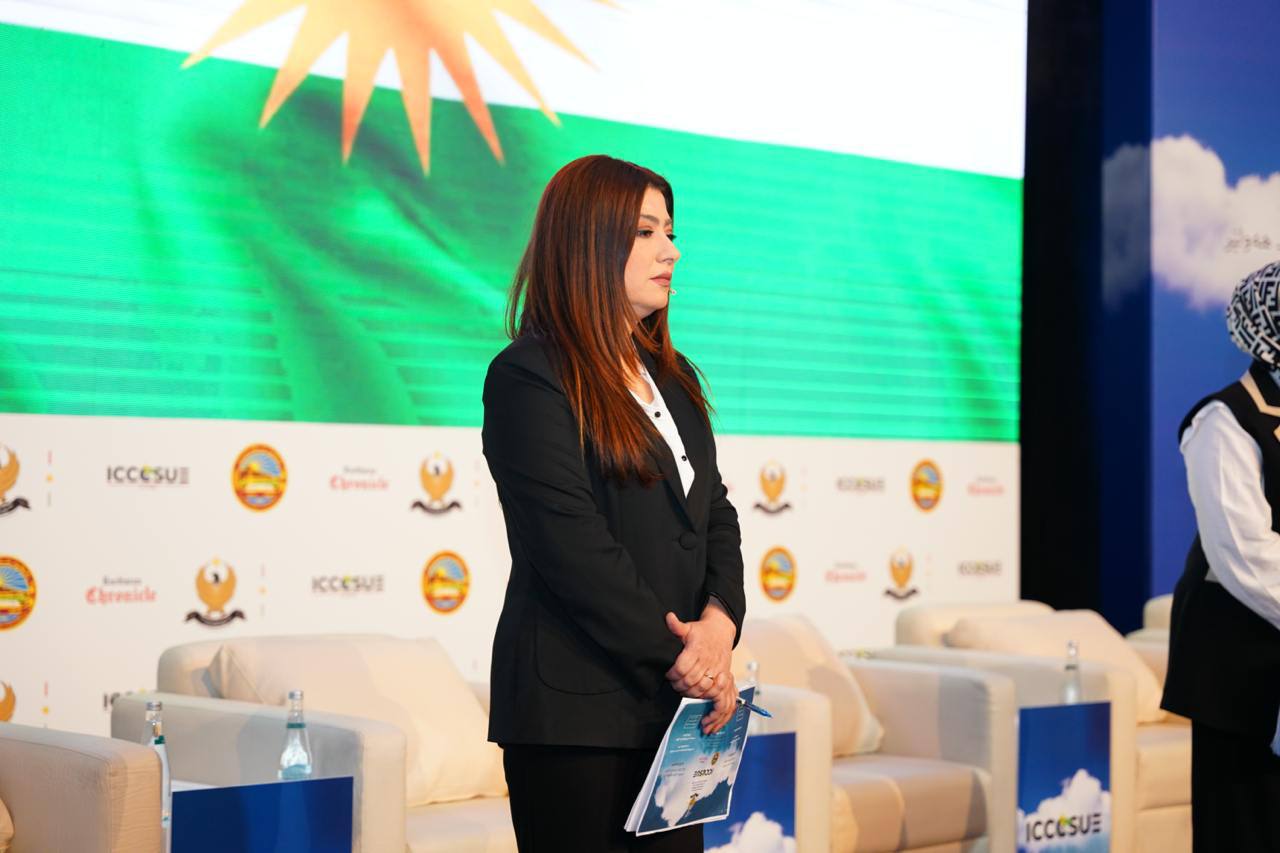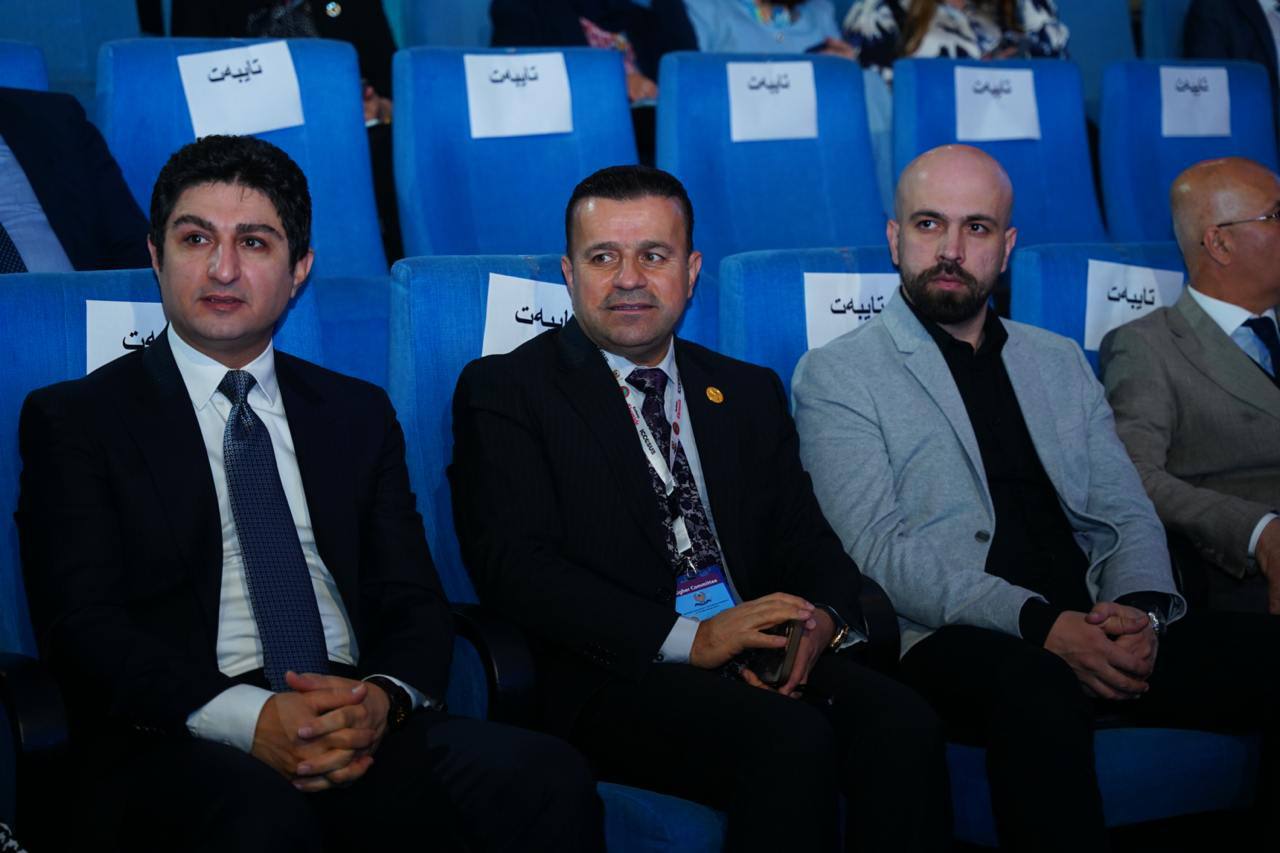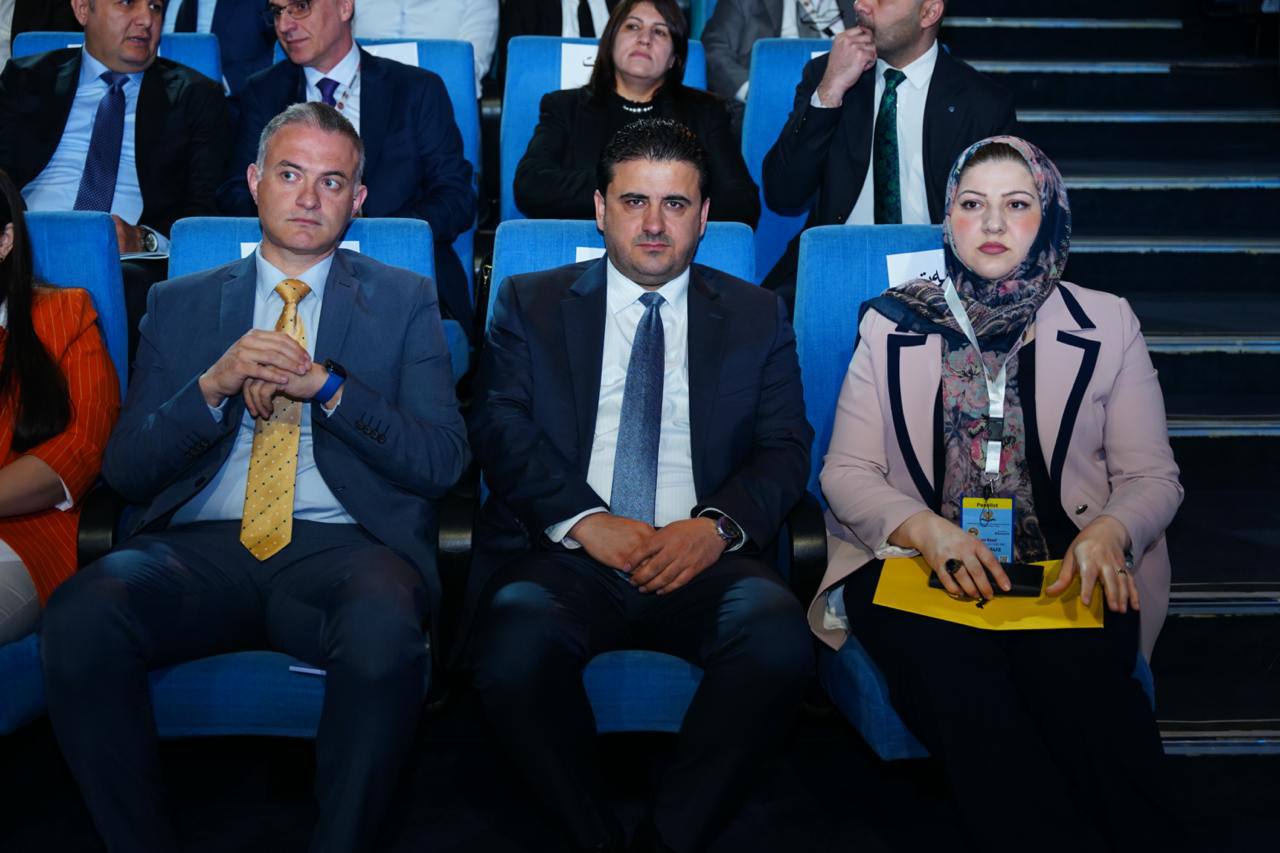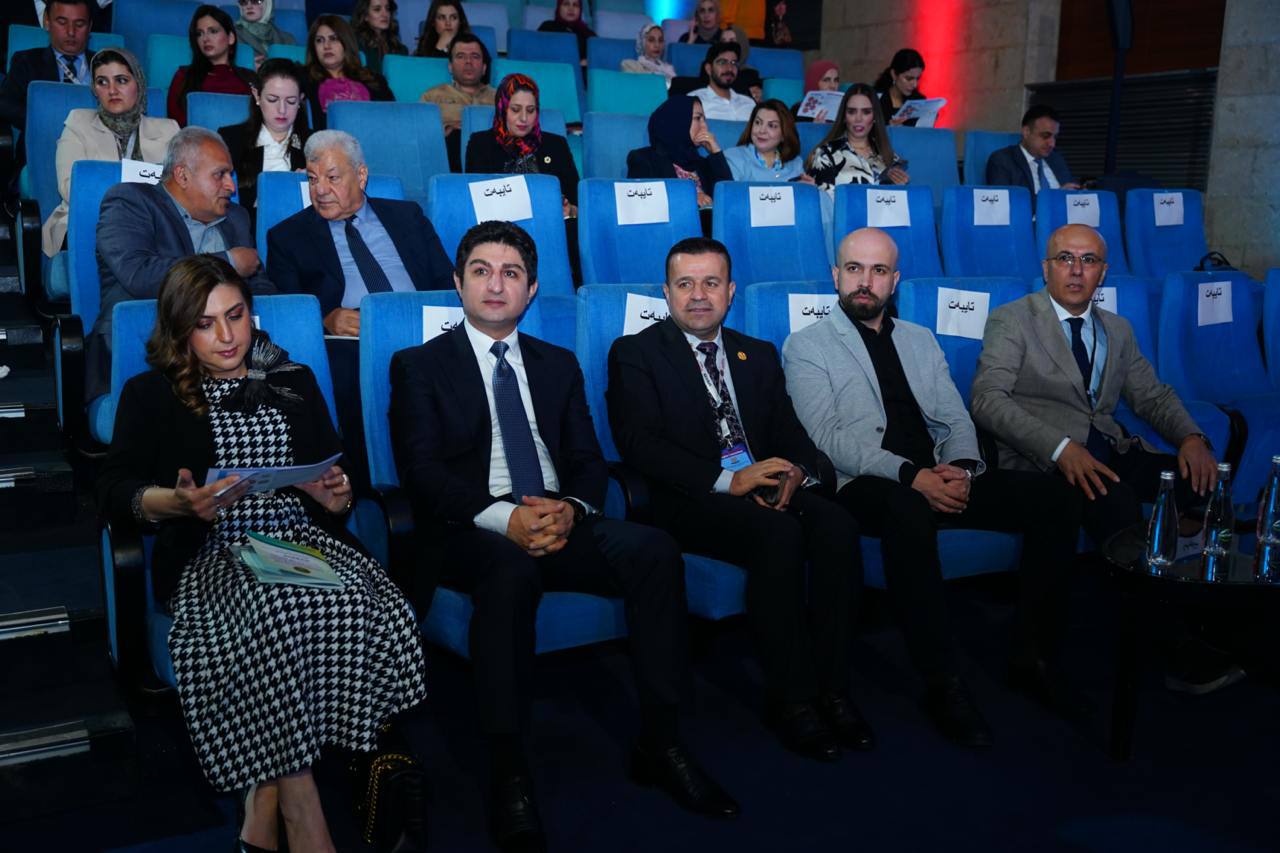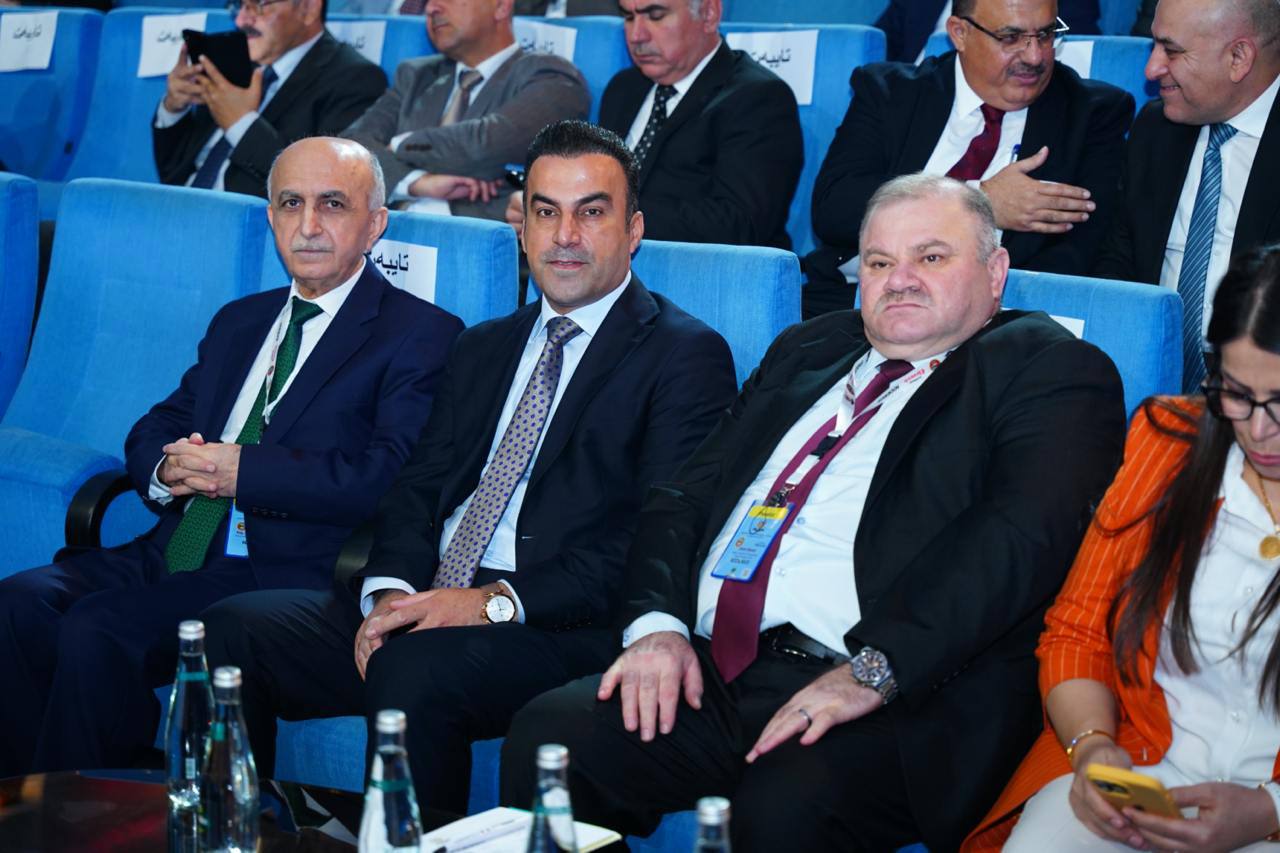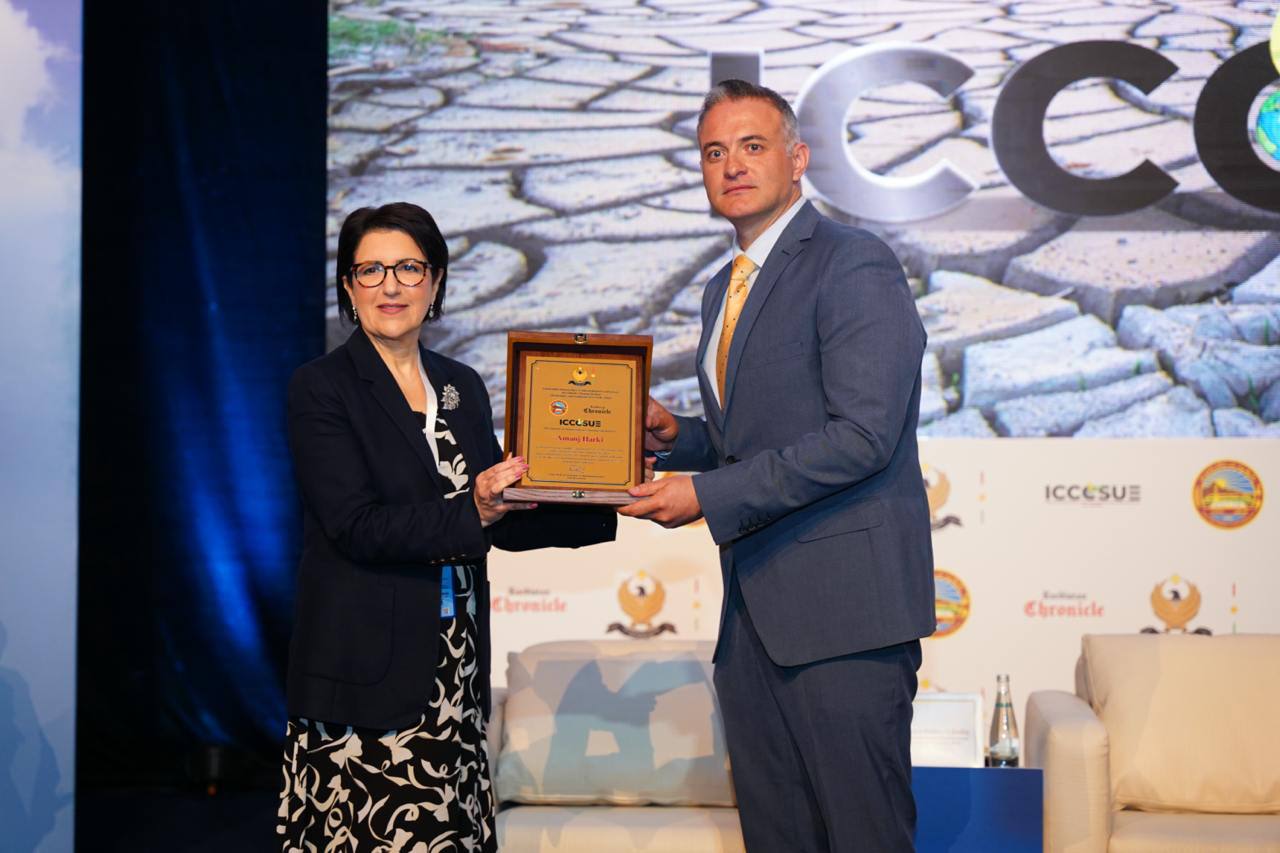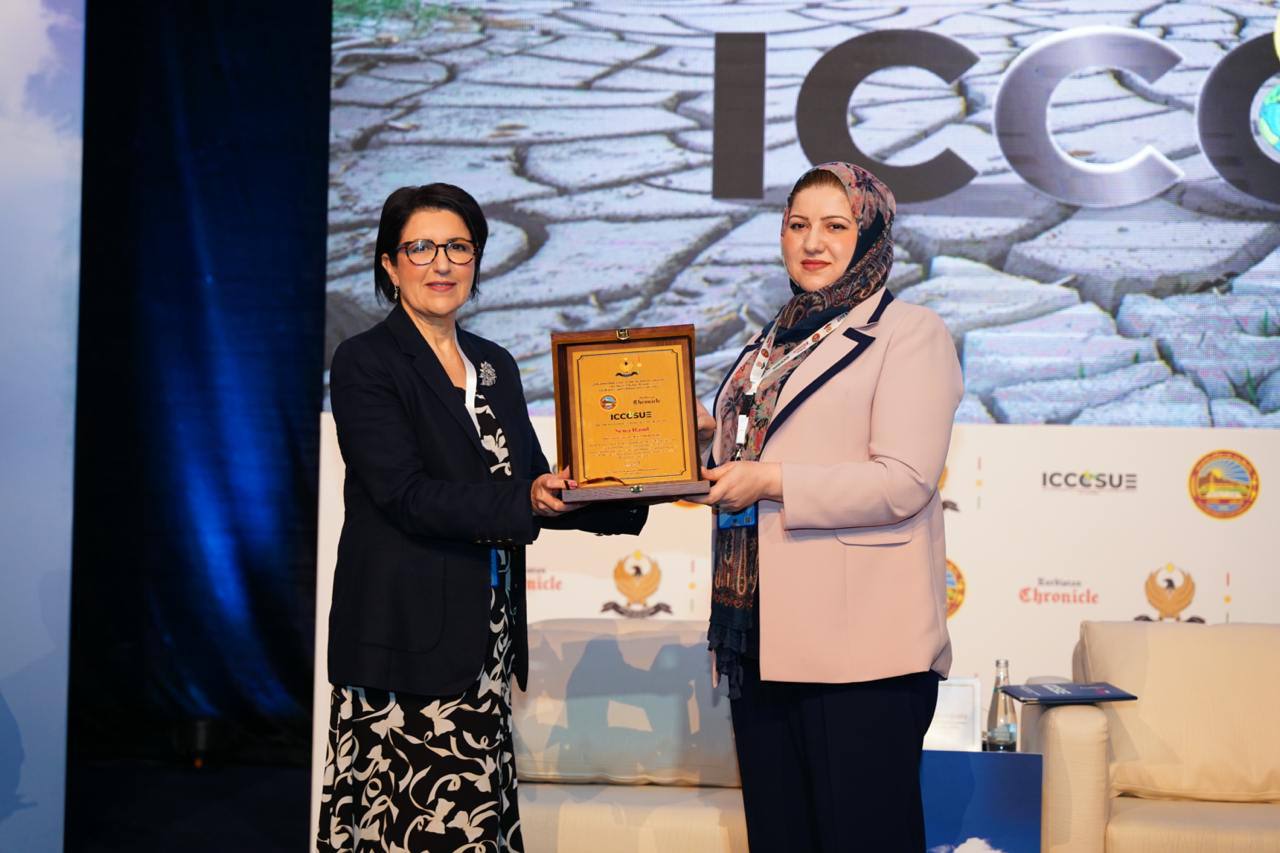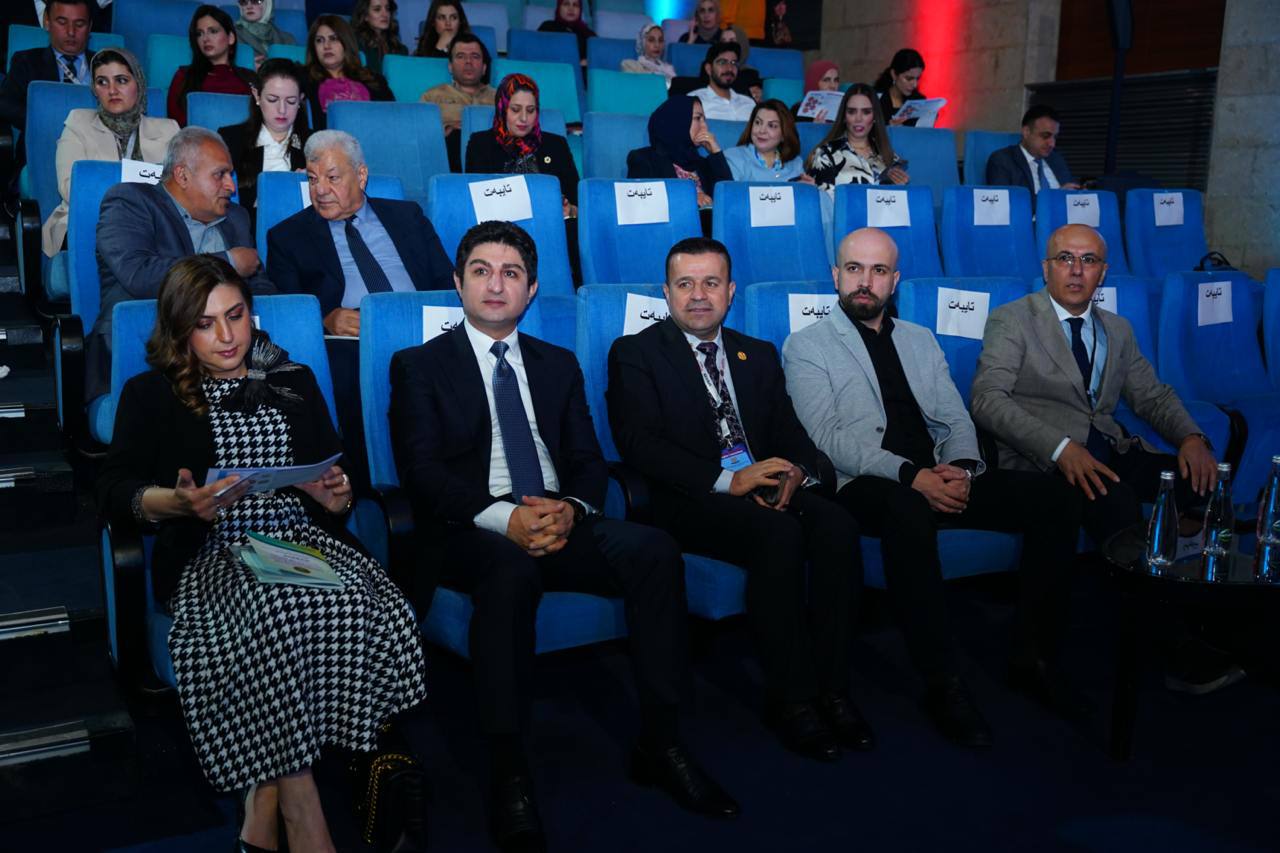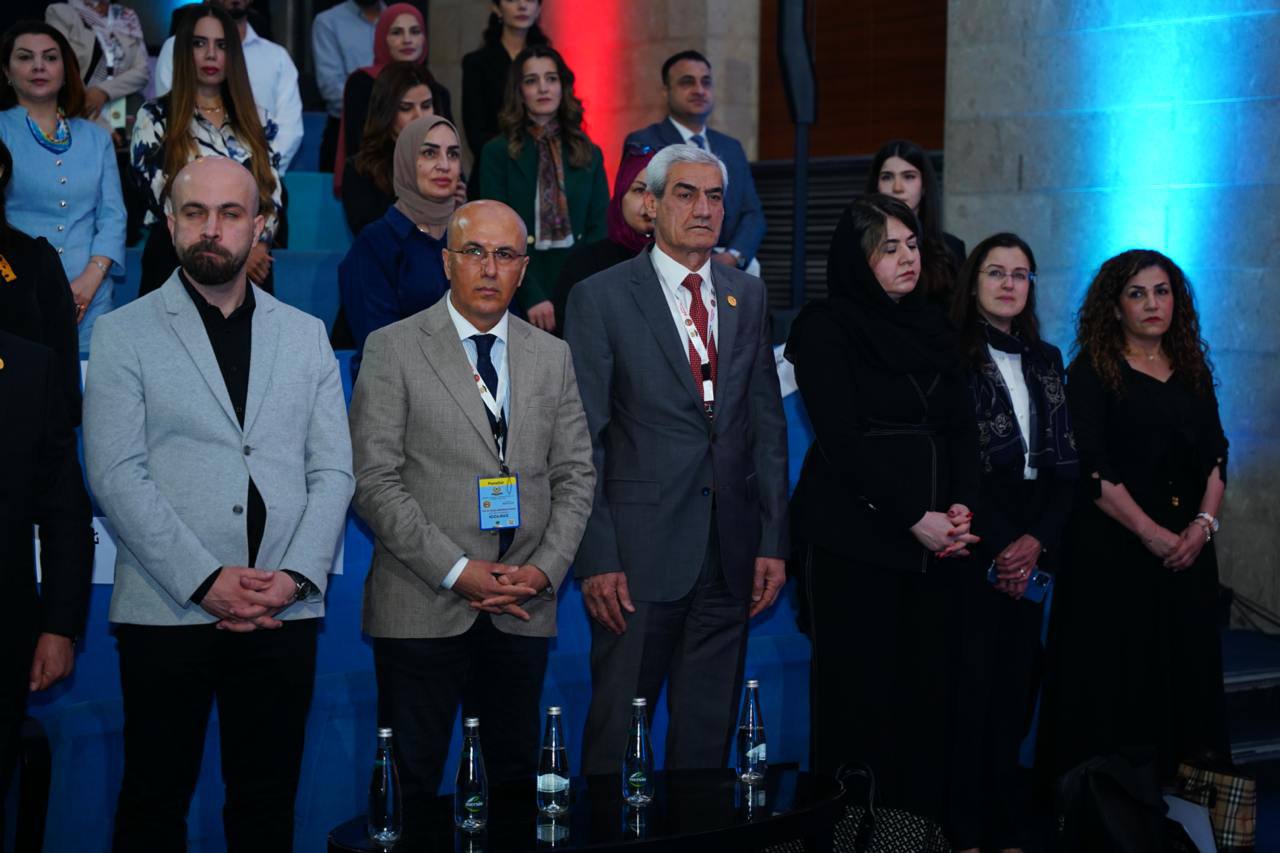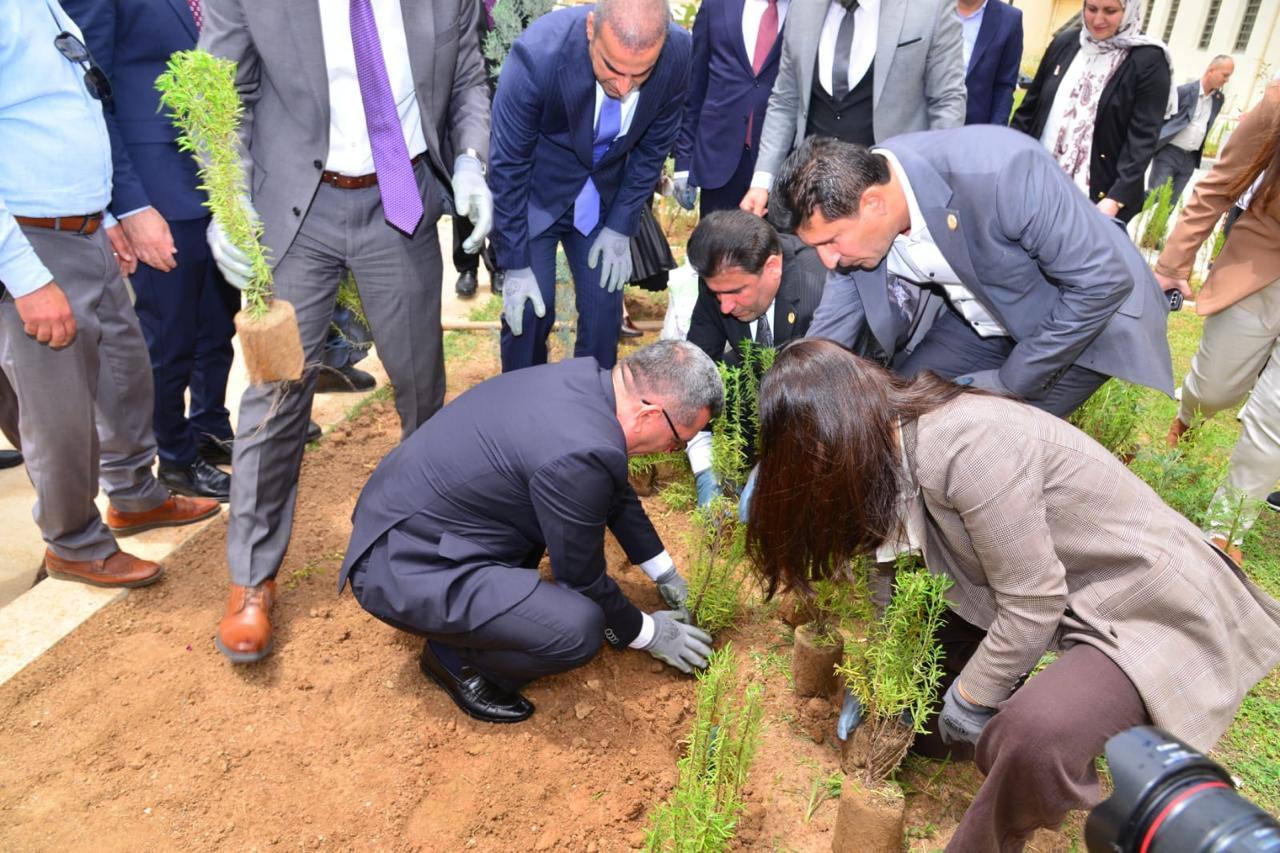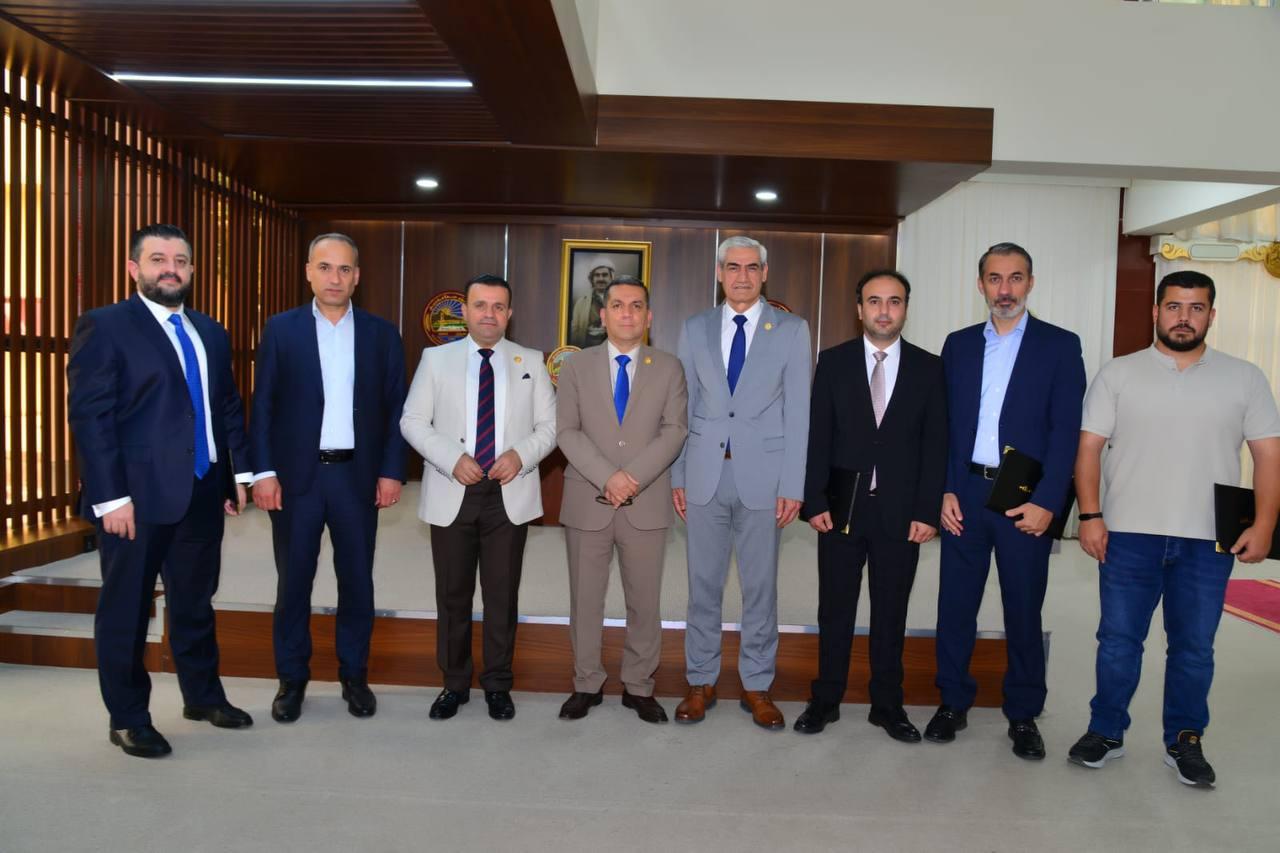
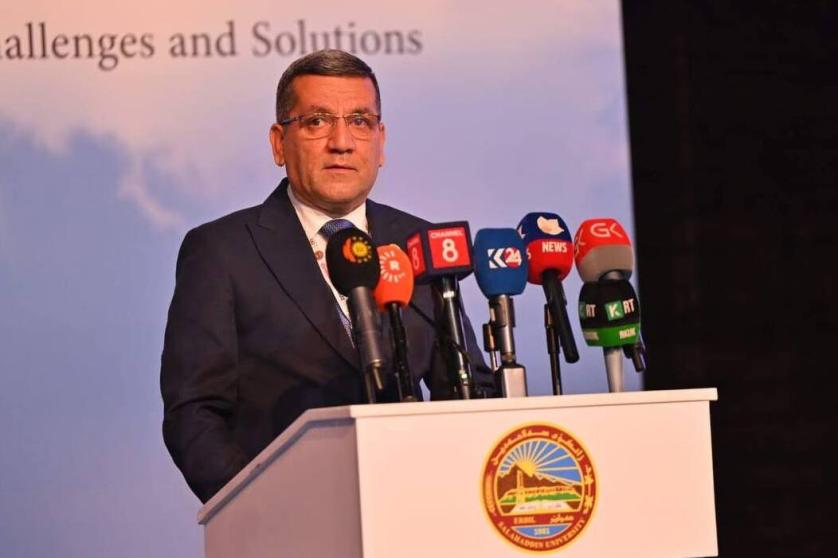
Today, 8 April 2025, under the patronage of Mr Masrour Barzani, Prime Minister of the Kurdistan Regional Government, the First International Conference on Climate Change, Challenges, and Solutions was held.
The conference will continue for two days and will include several scientific panels throughout its sessions.
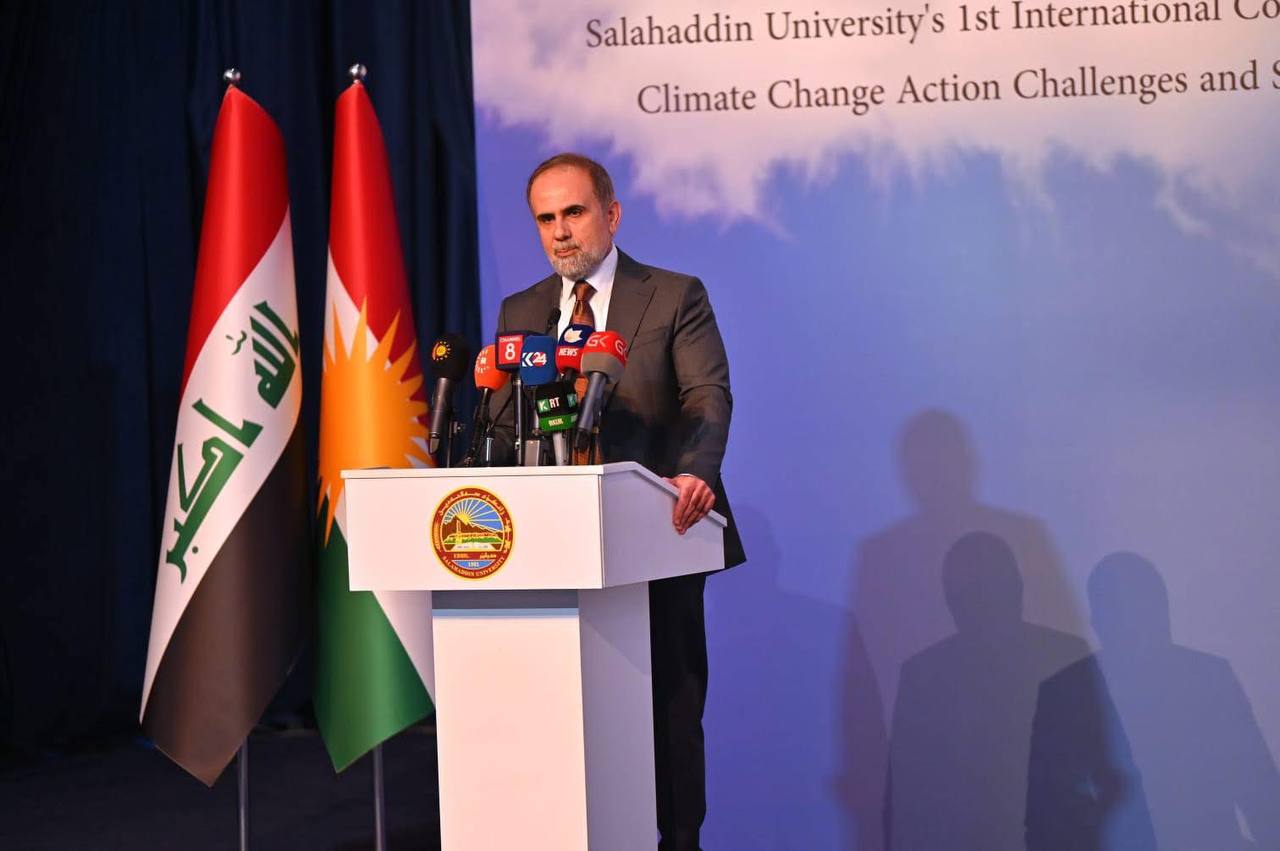
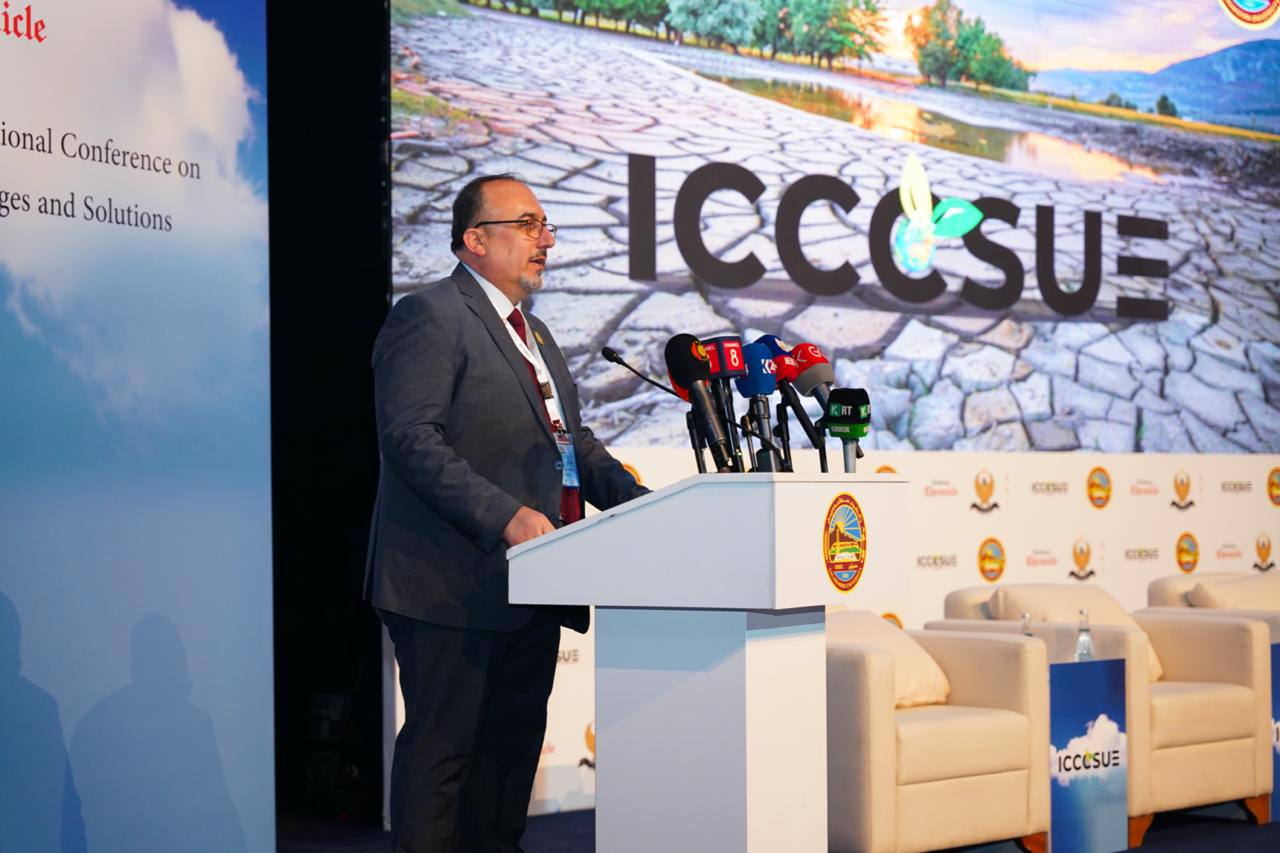
At the beginning of the conference, the President of Salahaddin University (SUE) delivered a speech in which he stated: “I feel it necessary to extend my special thanks to the Prime Minister of the Kurdistan Regional Government for his direct support and patronage of this conference.”
“Climate change is not merely an environmental issue; it has imposed threats on the health, agriculture, migration, and the future of humanity in general.”
“As Salahaddin University, over the past period, we have made efforts to scientifically and academically observe many local and international events by producing academic research, organising symposia and conferences, and critically evaluating various circumstances – all with the aim of, at the very least, contributing informed perspectives to the government and related entities.”
“In this context, we have been able to organise an international conference with the participation of representatives from countries and universities across Kurdistan, Iraq, the Arab world, and Europe, to gain deeper and clearer insight into the challenges of climate change and possible solutions.”
“Our teams began their work at the university, and with the support of the Prime Minister of the Kurdistan Region, we were able to coordinate these efforts successfully, and today we are pleased to open the first day of the conference.”
It is evident that climate change refers to long-term changes in temperature and weather patterns due to the excessive release of CO₂ (carbon dioxide) and CH₄ (methane) into the Earth’s atmosphere. This prevents the sun’s heat from escaping into space, resulting in the warming of the planet and global climate change.
The impacts of these changes and threats include rising temperatures, increased forest fires, intense rainfall, droughts in various regions, loss of life, and the displacement of thousands of families.
Regarding increased migration caused by climate change, international reports indicate that between 2020 and 2025, migration rates are expected to rise sixfold.
Another clear impact of climate change globally is its effect on agriculture and tourism. Over the past 30 years, agricultural production worldwide has significantly declined.
All of these global consequences, as well as the internal impacts of climate change, will be addressed and discussed over the next two days. This will be based on data and scientific knowledge, followed by an exploration of government plans and projects aimed at combating climate change and reducing its effects.
In conclusion, it should be noted that the 9th Cabinet of the Kurdistan Regional Government has not hesitated in confronting the challenges and effects caused by climate change. It has done so by establishing many dams and ponds, and, above all, launching renewable energy projects to help reduce emissions and lower the release of CO₂ into the Earth’s atmosphere. These initiatives are indeed commendable and praiseworthy.